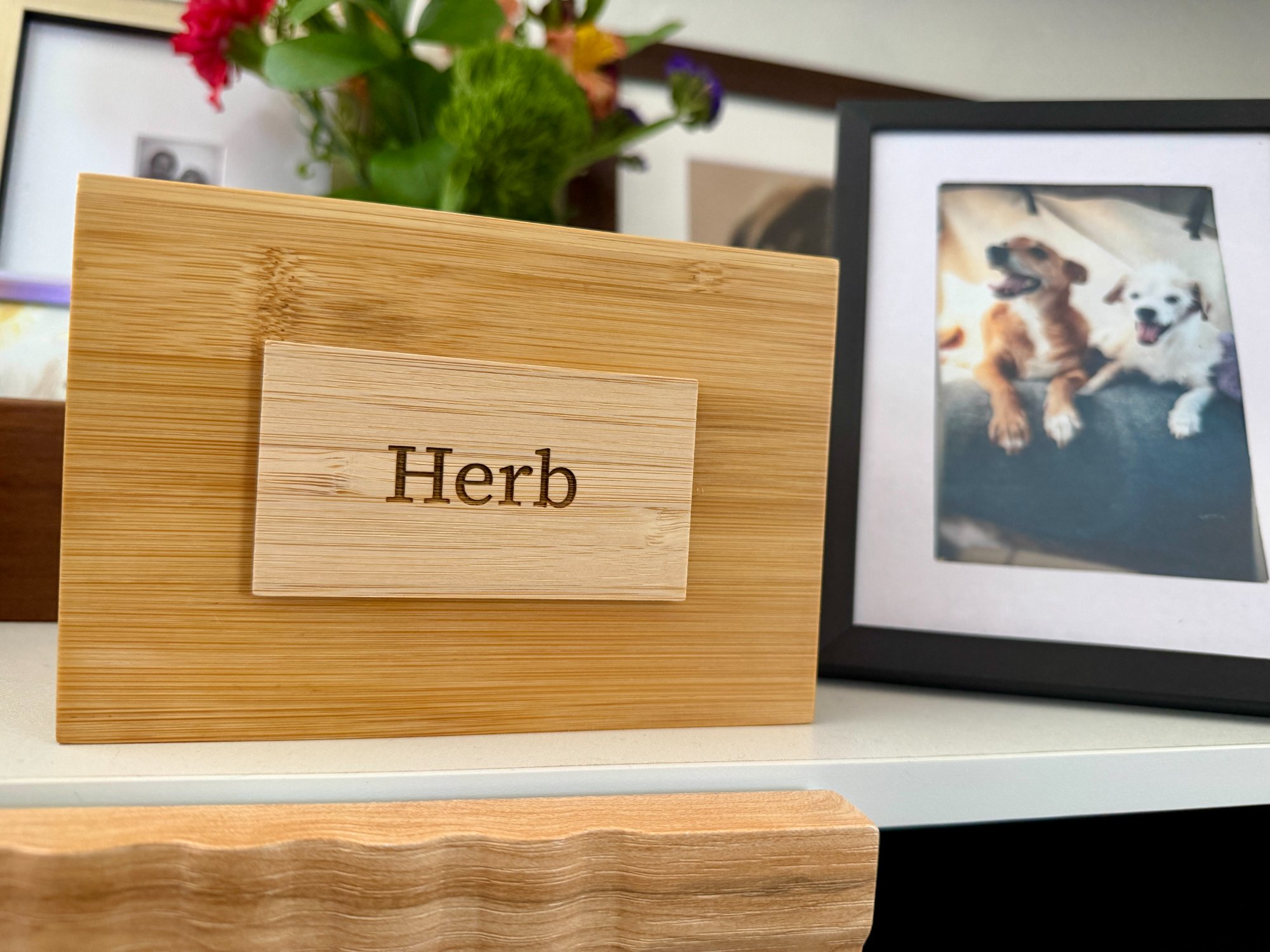
Our dog
deserved
better.
A documented account of what happened to Herb at VCA Emergency Animal Hospital & Referral Center, San Diego.
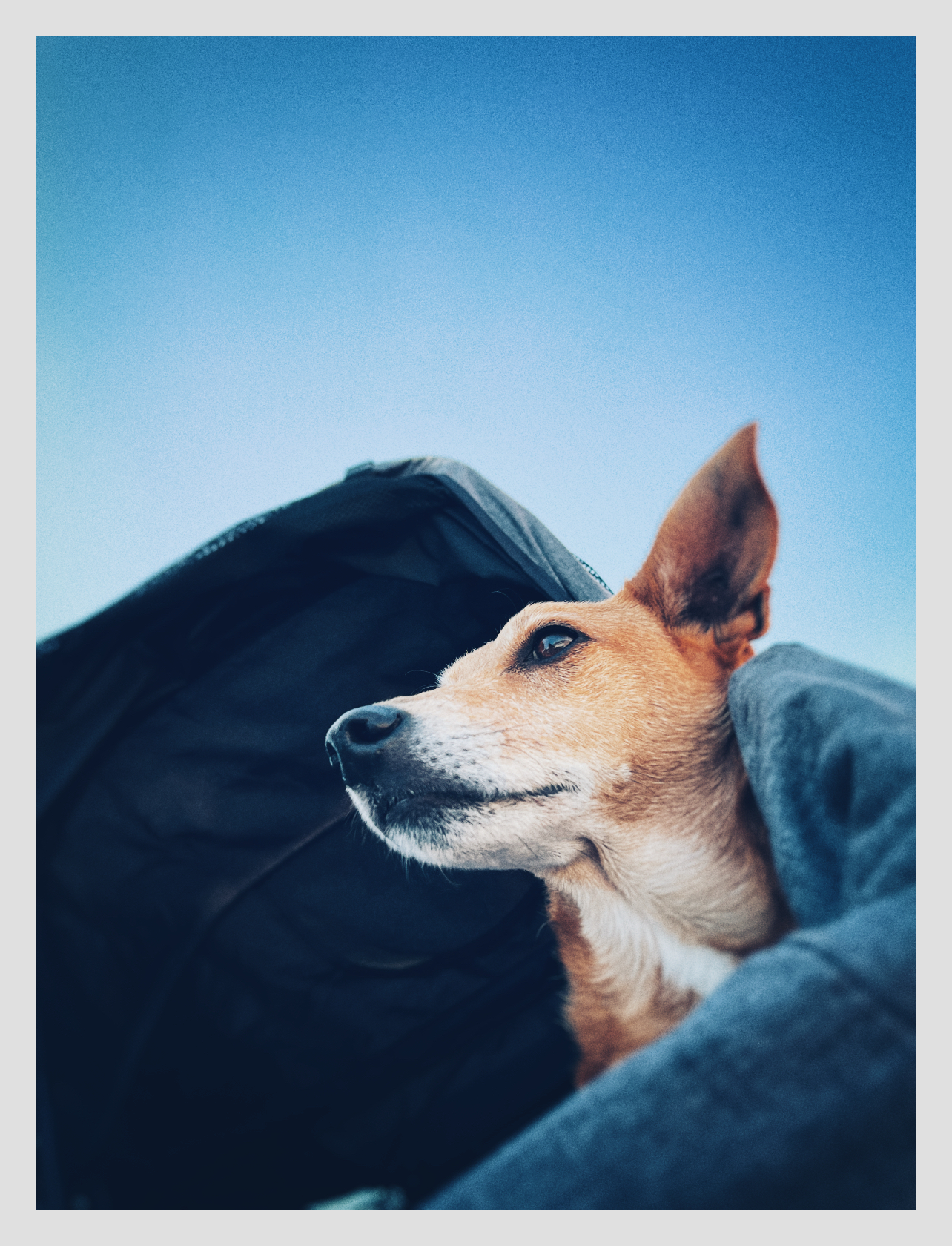
A documented account of what happened to Herb at VCA Emergency Animal Hospital & Referral Center, San Diego.
Our dog Herb (VCA Patient #200919) was admitted to VCA Emergency Animal Hospital in San Diego on March 11, 2026. He walked in on all four legs, eating and alert. Forty-eight hours later, he was discharged for at-home euthanasia—with new internal bleeding, a painful abdomen, and dried vomit caked on his IV catheter.
This page documents what happened.
Background
My name is Eric Yingling (VCA Client #54984). I have been a client of this hospital for over a decade. It used to be called VCA Emergency Animal Hospital at Hotel Circle. It has since moved to a new building on Mission Valley Road and now operates as VCA Emergency Animal Hospital & Referral Center. The Medical Director and regional management are the same. The standards are not.
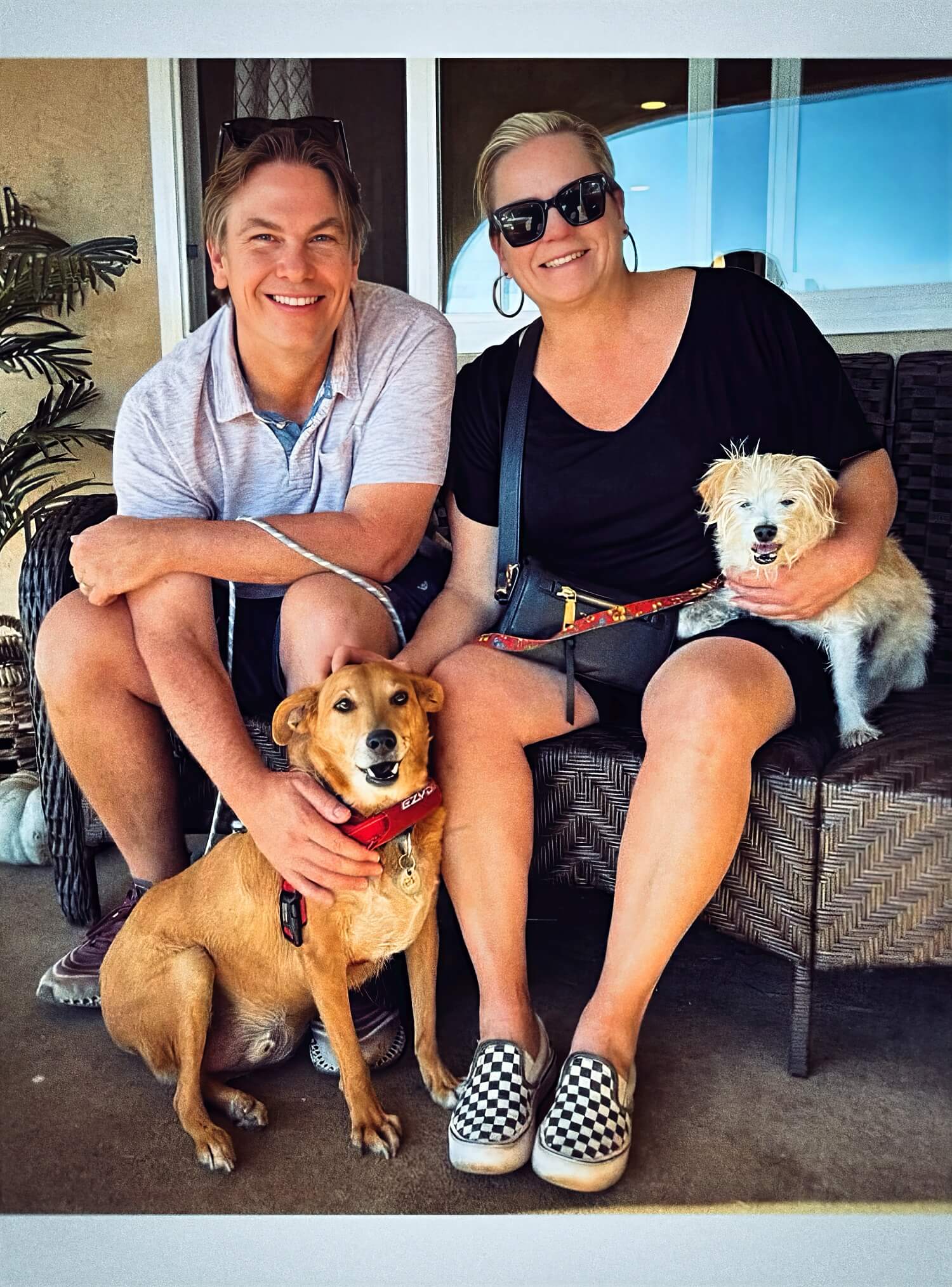
I know what excellent care looks like at this hospital because I've received it. Dr. Holly Mullen performed cranial cruciate ligament surgery on our dog Ethel—the experience was outstanding. Dr. Sara Ford diagnosed and treated our dog Tallulah over six months of complex outpatient care. These doctors and others built the reputation that made me trust VCA with the most critical moments of my animals' lives.
That reputation was built by doctors who are no longer there. The leadership remained; the standards did not. I trusted this hospital because of what it used to be. I'm publishing this because of what it is now.
About Herb
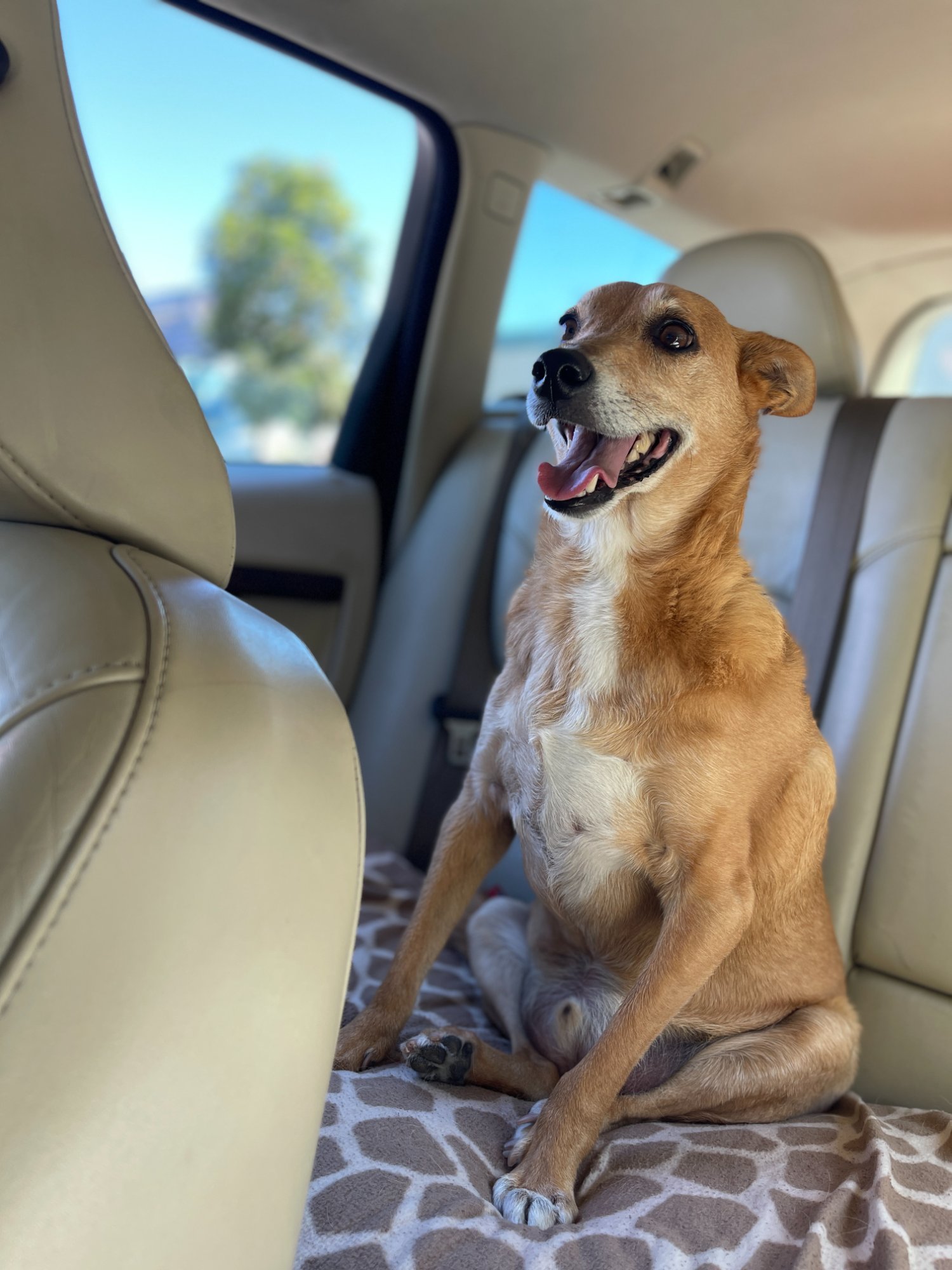
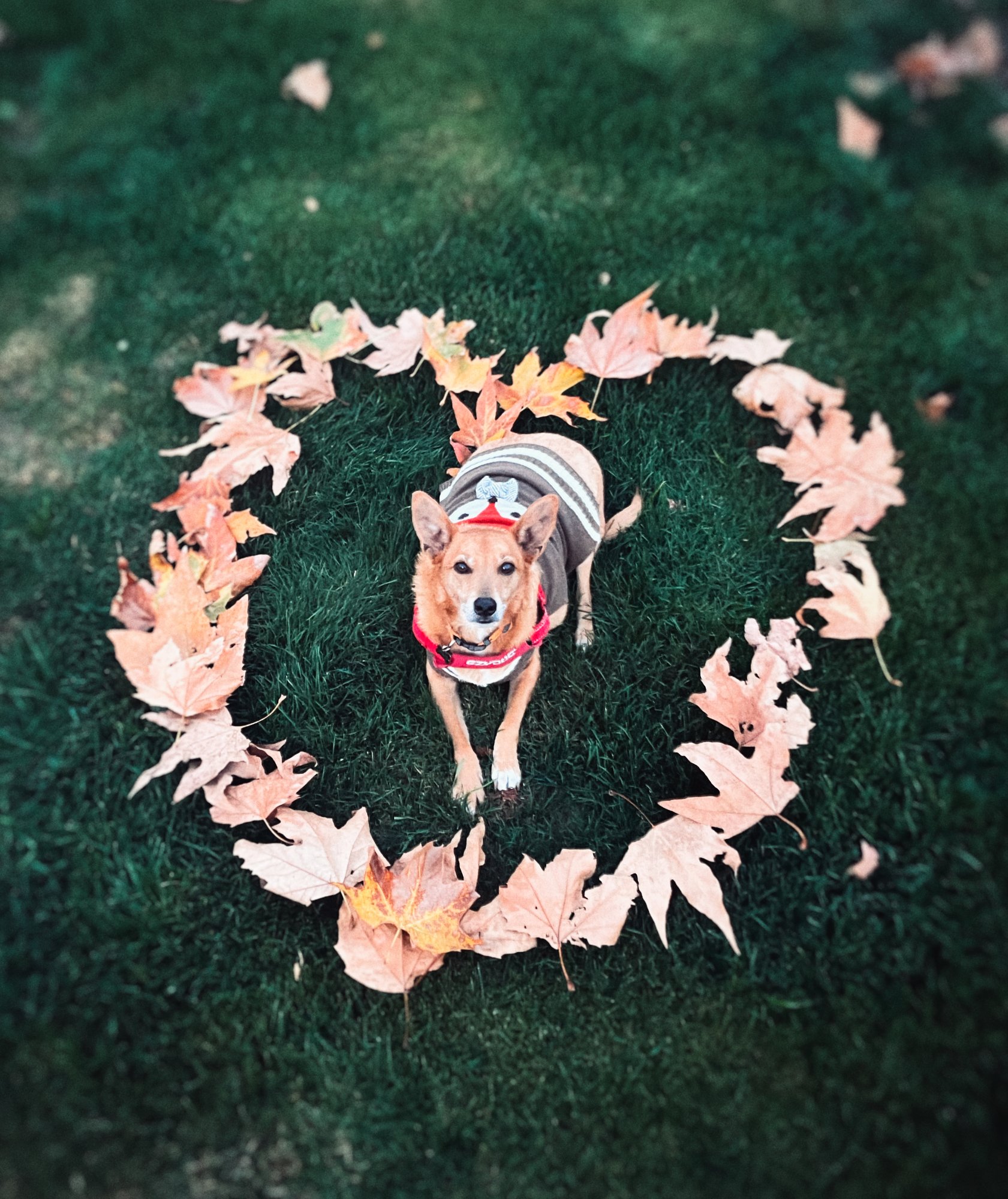
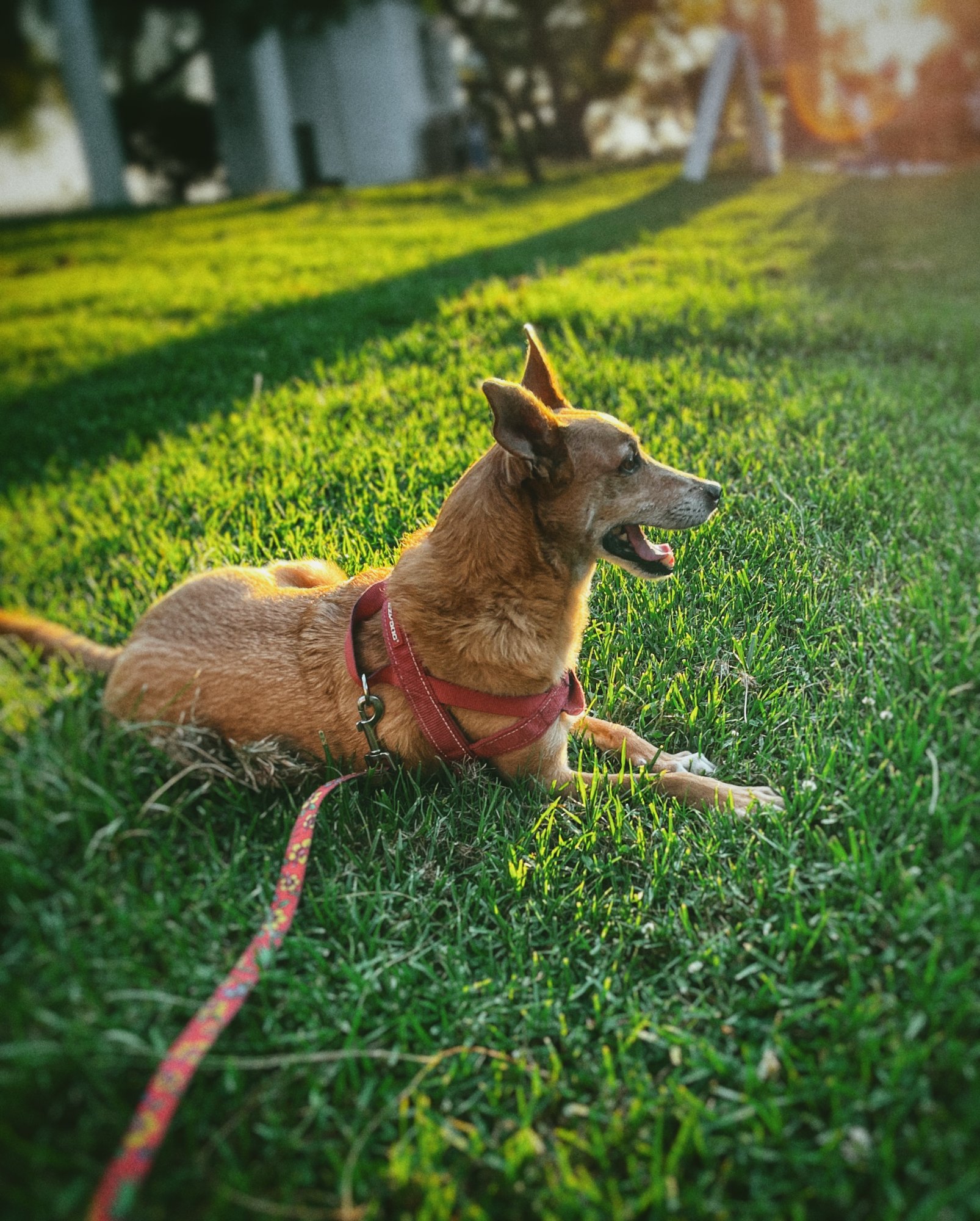
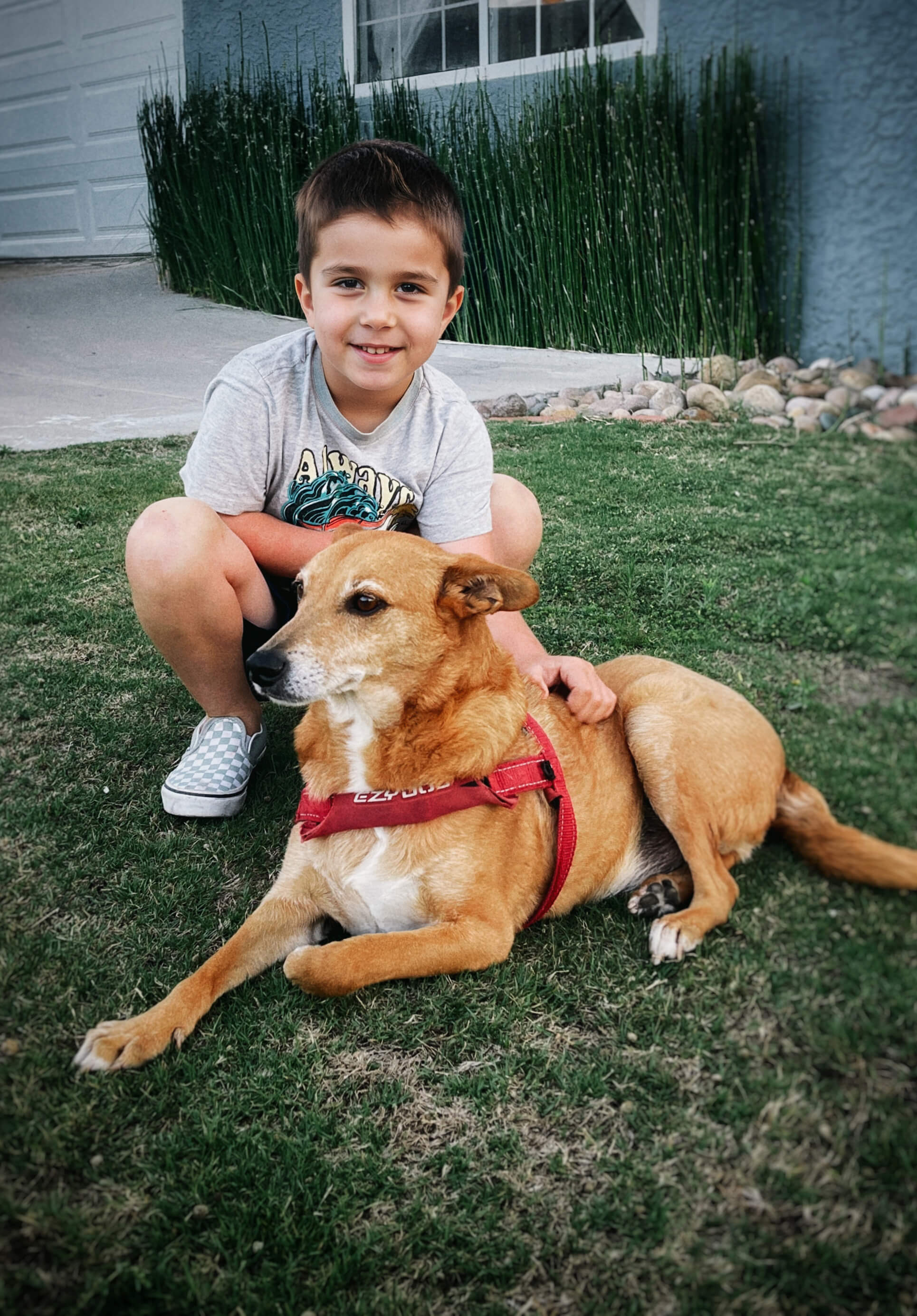
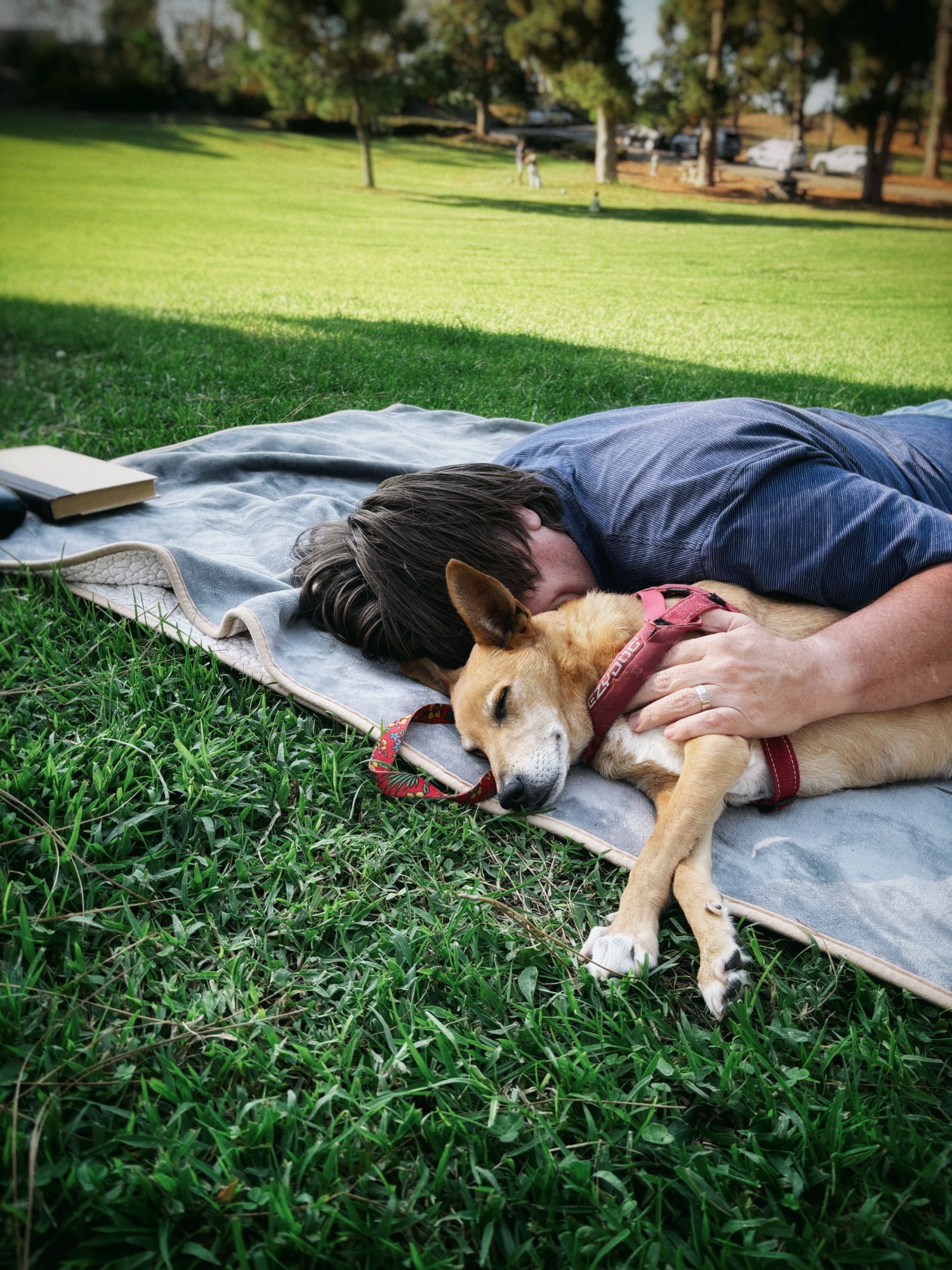
Herb was an 8-year-old terrier mix, about 30 pounds. For most of his life, he was healthy and low-maintenance—no issues, no health scares, just arthritis we treated with monthly injections. That changed in December 2025.
That month, he developed serious liver disease. His primary care veterinarian at Kensington Veterinary Hospital treated him successfully—he was hospitalized for a week, recovered, and his liver values improved steadily over the following months.
In February 2026, he developed inflammation in both eyes (panuveitis) and glaucoma in his left eye. He was treated by Dr. Todd Strubbe at VCA Eye Clinic for Animals, a separate specialty practice. Extensive testing ruled out infectious causes. He was started on oral steroids and multiple eye medications. By March, Herb was making remarkable improvement—he could still see out of both eyes, the right much better than the left. Dr. Strubbe was surprised and impressed by Herb's resilience and recovery.
Herb had survived complex issues. He had doctors who knew his history and treatments that worked.
March 2026
In early March 2026, about two weeks into his steroid treatment, Herb's left hind leg began swelling. Then his appetite dropped. Then he started vomiting again.
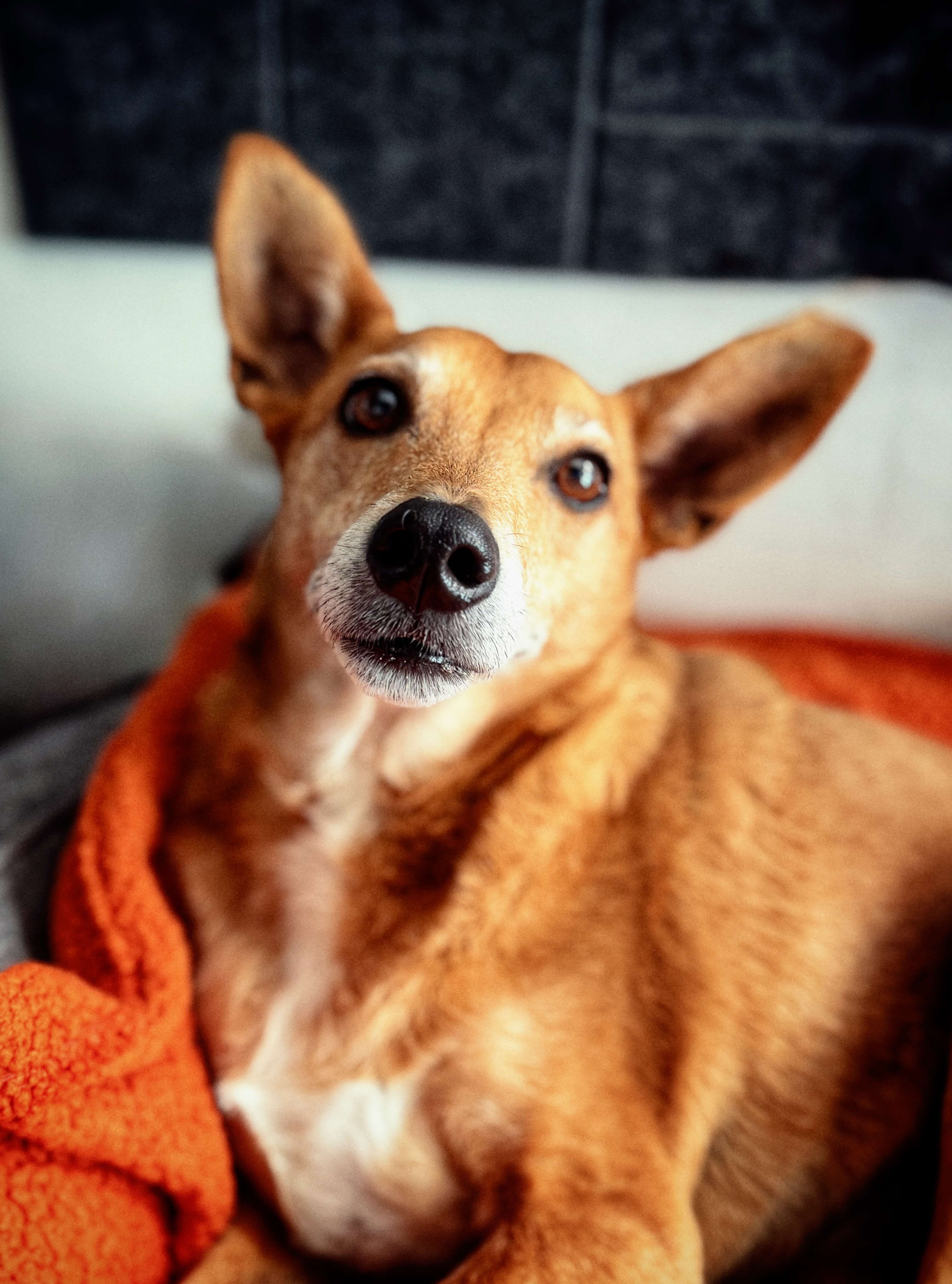
New bloodwork showed his liver enzymes had spiked back up. Worse, his platelet count had crashed to 7,000. Normal is 140,000 to 520,000. Platelets are what allow blood to clot—without them, he was at risk of spontaneous internal bleeding. He had visible bruising on his abdomen.
His primary vet gave us a choice: they could admit him and treat him the same way they had in December, or refer him to VCA Emergency Animal Hospital for inpatient specialty care. We chose VCA. That was a mistake.
When Herb arrived on the afternoon of Wednesday, March 11, he was walking on all four legs. He was eating. He was alert.
The Timeline
Herb was admitted through the Emergency department. The ER doctor reviewed his records—the full history from Kensington Vet, the eye disease, the previous liver episode, the medications—and discussed them with me in detail.
Herb was stabilized and transferred to Internal Medicine for continued care.
Internal Medicine took over. The attending internist was Dr. Daniel Cahn.
Dr. Cahn told us, repeatedly, that he didn't have access to the records the ER doctor had reviewed with us the night before. The records were in the building. They were in the same system. The ER doctor had them. Dr. Cahn, standing in the same facility twelve hours later, claimed he did not.
Critical hours were spent re-explaining Herb's history instead of treating him.
Every question we asked was met with "I don't know." Not "I don't know yet—here's what I'm going to do." Just "I don't know."
Multiple doctors raised tick-borne disease as a possible cause, despite a comprehensive negative panel completed a month earlier that was already in Herb's chart. It felt like no one had actually read his file, and recycling an already-eliminated diagnosis was a substitute for having a plan.
Herb's primary care vet at Kensington Veterinary Hospital had successfully treated the same liver condition three months earlier. They knew what worked. They were a phone call away.
Every conversation followed the same pattern: bad news, delivered with a shrug, followed by nothing. No guidance on what our options were. No discussion of prognosis. No help thinking through what was happening or what decisions might be ahead. We were in the room with a doctor, but we were on our own.
By Friday morning, Herb had declined significantly. He had vomited three times. He passed black, tarry stool—a sign of bleeding in his gastrointestinal tract. His abdomen was painful and tense. His red blood cell count had dropped from 48% to 35%, indicating internal blood loss.
We visited him that afternoon. When the tech brought him out, there was dried vomit on the gauze wrapping his IV catheter. There were dried feces on the catheter line. Herb smelled of vomit.
This is a dog with a platelet count so low he was at risk of spontaneous bleeding. The IV catheter goes directly into his bloodstream. Dried biological material on that line is an infection risk that could kill him.
When I raised this with the tech, he said: "We are really slammed today." And: "We are only able to deal with what is in front of us."
That evening, Herb was discharged for at-home euthanasia. They told us they had bathed him.
He still smelled of vomit.
That was the last thing VCA did for our dog.
Systemic Failures
For readers who aren't veterinarians, here's why each of these failures mattered:
When a critically ill dog is transferred from the ER to Internal Medicine in the same building, the receiving doctor should have immediate access to everything the ER reviewed. Hours spent re-explaining a patient's history are hours not spent treating him.
Herb's primary care vet at Kensington had successfully treated the same liver condition three months earlier. They knew what worked. A phone call would have taken five minutes. Dr. Cahn never made it.
A specialty referral hospital exists for complex cases. An internist presented with a critically ill patient should have a working hypothesis and a plan to test it. "I don't know" is not a plan.
We prepared six individual meals for Herb's stay. His dietary needs were documented at intake. The Internal Medicine team fed him processed kibble and canned tuna—then noted he had loose stool.
An IV catheter is a direct line into the bloodstream. Dried vomit and feces on that line, on a dog with almost no functional platelets, is a life-threatening infection risk. In a specialty hospital, it's inexcusable.
When a pet is critically ill and declining, the medical team should help the family understand what's happening, what the realistic options are, and what decisions may lie ahead. We received none of this.
Accountability
I want to be clear: Dr. Daniel Cahn was the internist responsible for Herb's care, and the failures I've described are directly attributable to decisions he made or failed to make.
But Dr. Cahn did not operate in a vacuum.
No one above him intervened. No one reviewed his approach. No one ensured that records transferred properly, that the primary vet was consulted, or that basic sanitary standards were maintained. His "I don't know" responses went unchallenged by anyone else on the team.
The hospital operates under the license of Dr. Amy C. Nadolski, who as Managing Licensee is responsible for the standards and oversight of the facility. She is named in my complaint to the California Veterinary Medical Board.
I've seen what this hospital looks like when it works. Dr. Mullen and Dr. Ford operated in the same system and delivered excellent care. The difference is not the building or the equipment—it's the people and the standards they're held to. Both have changed.
Dr. Cahn failed Herb. Dr. Nadolski is responsible for the facility that enabled those failures. VCA created the conditions and caught none of them.
Action Taken
This is not simply venting. Every available channel has been pursued:
Formal complaint filed March 25, 2026. Case numbers: 4602026001696 and 4602026001708. Complaints against Dr. Daniel Cahn and Dr. Amy C. Nadolski (Managing Licensee). Assigned investigator: Jacqueline French.
Formal complaint filed (ID 24682080). Closed unanswered—consistent with VCA's pattern of ignoring BBB complaints.
Formal complaint filed with VCA Corporate leadership. VCA Corporate transferred the complaint to the local hospital and went silent.
Letter sent to VCA Emergency Animal Hospital, 7675 Mission Valley Road, San Diego. Regional Medical Director Dr. Reinert provided a written review acknowledging failures in records transfer, dietary compliance, catheter sanitation, and communication. Partial reimbursement offered and rejected.
Posted on Google, Yelp, Trustpilot, and PissedConsumer.com to warn other pet owners.
Current Status
I will update this page as these cases progress.
Why This Exists
The care Herb received was apathetic and transactional. He entered that hospital with a fighting chance. He left dying, smelling of vomit, after a stay marked by lost records, uncontacted doctors, ignored dietary instructions, no diagnostic direction, and an IV catheter caked in dried biological waste.
I'm sharing this so other families can make an informed decision. And so what happened to Herb is on the record. I don't want any pet owner to feel the regret I carry for taking our dog to VCA. I can't stop thinking about how different things could have turned out if he had been in competent hands.
If you're looking for emergency or specialty veterinary care in San Diego, you have options. I'd recommend looking into VEG Emergency.
Please, for the safety of your pet: do your research.